DoT SIM-Binding Directive: What Changes for WhatsApp & Telegram Users
From 1 January 2027, messaging apps using Indian mobile numbers must stay linked to an active SIM in the device. Learn what SIM binding means and what users and businesses should do now.
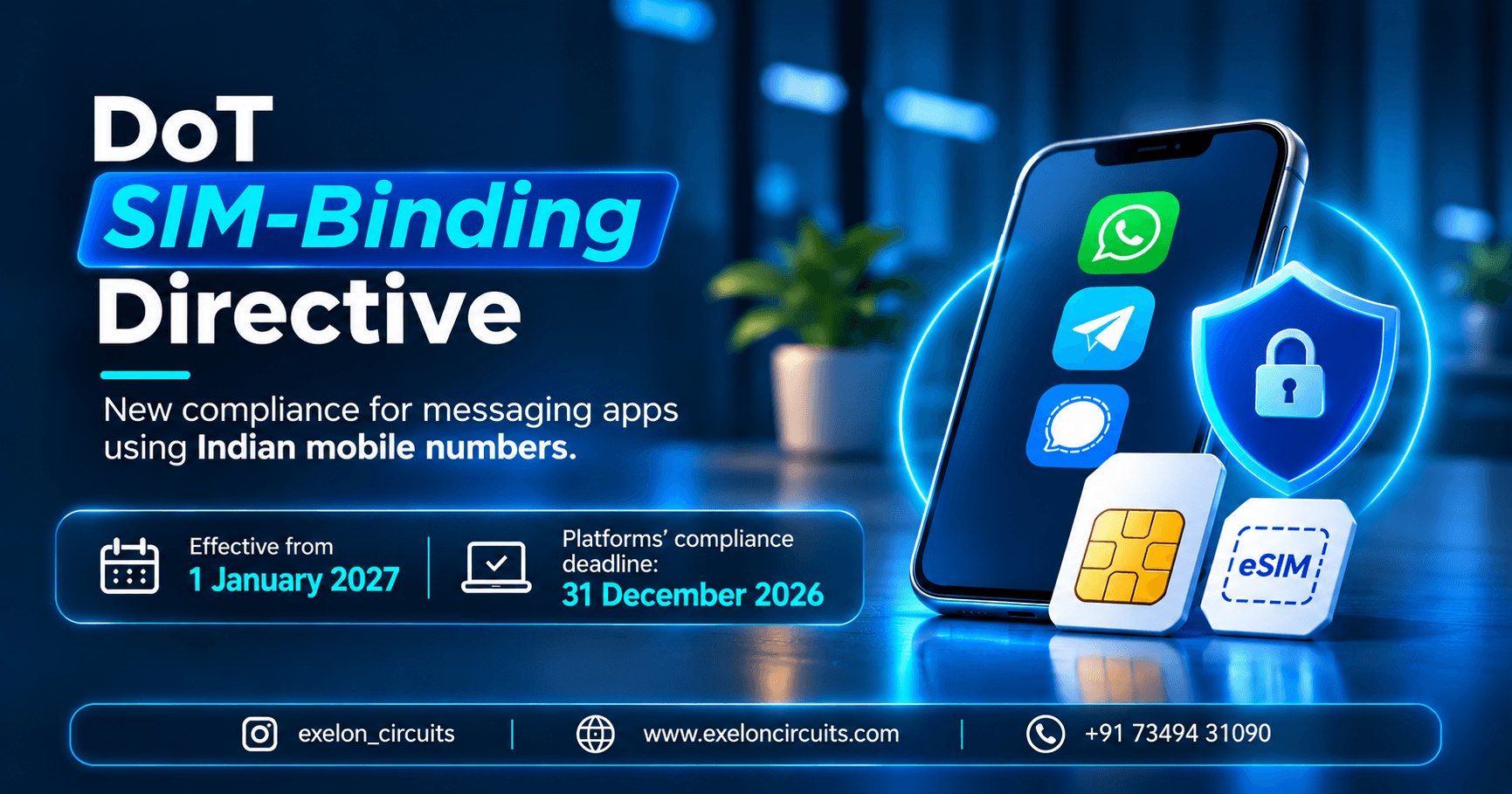
SIM binding is a Department of Telecommunications (DoT) rule that requires messaging apps using an Indian mobile number to stay linked to the active SIM for that number in the same device. Platforms must comply by 31 December 2026, and the rule takes effect from 1 January 2027.
If you use WhatsApp, Telegram or a similar app on a phone without its registered SIM, or rely on WhatsApp Web for work, this change affects you. This guide explains what the SIM-binding directive is, why DoT introduced it, which apps are covered, what changes for web and desktop sessions, and what users and businesses should do before the deadline.
What Is SIM Binding?
SIM binding means a messaging app checks that the SIM (or eSIM) for your registered Indian mobile number is active and present in the device running the app. If the SIM is removed, replaced or deactivated, the app may stop working until the same number is restored through a valid SIM or eSIM.
Today, many apps verify your number once with an OTP and then keep working even after the SIM is gone. SIM binding closes that gap by making the link continuous, similar to how banking and UPI apps already work.
- Your messaging app must run on the same device as the active SIM for your registered number.
- eSIM works too, as long as the number is active on that device.
Why Did DoT Introduce the SIM-Binding Rule?
DoT says accounts that keep working after a SIM is removed, deactivated or taken abroad are being misused for cyber fraud. Fraudsters use Indian numbers, often from outside India, to run:
The Ministry of Communications cited cyber-fraud losses of over ₹22,800 crore in the previous year when it announced the directions. Linking each account to a live SIM makes Indian numbers harder to misuse and easier to trace.
- SIM binding targets fraud carried out using Indian numbers without the real SIM.
- It aligns messaging apps with the SIM checks already used by banking and UPI apps.
SIM-Binding Timeline: Key Dates
| Date | What Happened |
|---|---|
| 28 November 2025 | DoT issues SIM-binding directions to app-based communication services under the Telecom Cyber Security Rules |
| 1 December 2025 | Directions announced publicly; platforms given 90 days to comply |
| April 2026 | Deadline extended after industry representations; six-hour web logout replaced with risk-based logout |
| 31 December 2026 | Compliance deadline for messaging platforms |
| 1 January 2027 | SIM-binding rule takes effect |
Which Messaging Apps Are Covered?
The directions apply to app-based communication services that use an Indian mobile number to identify users or deliver services. The original directions named:
| App | Covered in Original Directions |
|---|---|
| Yes | |
| Telegram | Yes |
| Signal | Yes |
| Snapchat | Yes |
| Arattai | Yes |
| ShareChat | Yes |
| Josh | Yes |
| JioChat | Yes |
Later reports suggest the final scope for some apps, such as Snapchat and Signal, may differ. Check each app's official update before the deadline.
What Changes for WhatsApp Web and Desktop Sessions?
The first version of the rule required web sessions to log out every six hours and re-link with a QR code. After industry feedback, DoT replaced this with a risk-based approach.
| Original Rule (Nov 2025) | Revised Rule (April 2026) |
|---|---|
| Web sessions logged out every 6 hours | Logout based on risk analysis by the platform |
| Re-link every time with a QR code | Periodic re-linking may still be required |
| Same rule for all users | Suspicious sessions can be ended faster |
In practice, most users can expect WhatsApp Web and desktop apps to ask them to re-link from time to time, with faster logouts when activity looks suspicious.
- The six-hour forced logout was dropped in favour of risk-based logout.
- Web and desktop users should still expect periodic re-linking.
Who Will Be Affected Most?
What Users Should Do Before 1 January 2027
Note: Web and desktop sessions may require periodic re-linking; logout is based on risk-based analysis.
What Businesses Should Do
If your team uses WhatsApp or Telegram for customer communication, plan now to avoid disruption in January 2027:
SIM binding also strengthens your defences against account takeover. See our guides on WhatsApp hacked: signs and fixes and endpoint security.
- Shared business phones without their own SIM are the biggest risk of disruption.
- The WhatsApp Business API is the safer route for team messaging at scale.
SIM-Binding Readiness Checklist
Frequently Asked Questions
Conclusion
The DoT SIM-binding directive will change how millions of people use WhatsApp, Telegram and other messaging apps from 1 January 2027. Keep your registered SIM active and in the right device, review your linked sessions, and move shared business phones to a proper setup before the deadline.
Get Your Business Messaging SIM-Binding Ready
Exelon Circuits helps businesses in Mangaluru, Udupi and across India review their messaging setup, move teams to the WhatsApp Business API and DLT-registered SMS, and avoid disruption when SIM binding takes effect. Talk to our team today: +91 73494 31090.
Exelon Circuits Team
Enterprise Telecom & Integration Specialist